New bill would roll back parts of REAL ID
16 June, 2009
category: Government
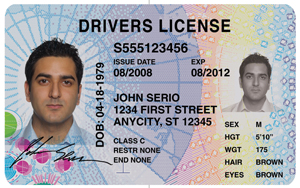
 A bill has been submitted in the U.S. Senate that would roll back portions of the REAL ID Act of 2005.
The PASS ID Act will not require that breeder documents, birth certificates and Social Security numbers, be verified before a license is issued, according to an Associated Press report.
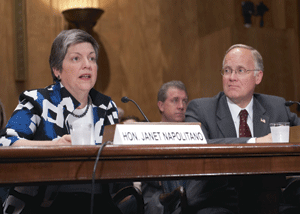
When President Obama appointed Janet Napolitano to become secretary of the Department of Homeland security there was a lot of speculation that something would happen with REAL ID. As Arizona Governor, Napolitano was against REAL ID.
In a statement release Monday on the DHS Web site Napolitano says PASS ID will help the country’s security. “Today’s introduction of Pass ID in the U.S. Senate brings us closer to greater compliance with federal standards for secure driver’s licenses and better protection against terrorists and other threats nationwide,” she said. “Pass ID is a cost-effective, common-sense solution that balances critical security requirements with the input and practical needs of state governments. I am committed to supporting this important bill and it is my hope that Congress will pass it into law as quickly as possible.”
Other group’s aren’t as excited about the legislation. The Center for Immigration Studies says the proposed legislation would roll back key aspects of the 9/11 Commission’s recommendations, including authenticating identity documents, says Janice Kephart, a member of the 9/11 Commission and director of national security policy at the center.
“The PASS ID Act would repeal the driver’s license provisions of the REAL ID Act of 2005, legislation aimed at ensuring that all states meet minimum driver’s license security standards in order to enhance national security and driver safety, combat drug running, and better safeguard against identity theft and fraud,” Kephart states in a article. “While no state is required to comply, the 30 or so states that are choosing to actively meet REAL ID minimum standards are helping make America less vulnerable. PASS ID supporters are painting REAL ID as a poorly drafted law that is not supported by the 9/11 Commission recommendations as well as an affront to privacy and states’ rights. The reality is that REAL ID balances liberty and security by protecting legitimate applicants from fraud; states from bad drivers, criminals, and government waste; and federal interests in commercial airport and critical infrastructure security.”